
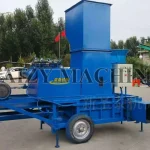
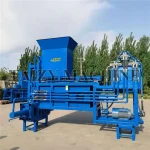
Square Hay Baling Machine with Double Bagging
| Model | 9YK-70, 9YK-7A |
| Power | 15kw motor, 28hp diesel engine, 22kw |
| Cylinder quantity | 2pcs, 3pcs |
| Hydraulic pressure | 18Mpa |
| Hydraulic oil | 46# |
| Bale size | 700*400*300mm |
| Bale density | 600-800kg/m³, 800-1100kg/m³ |
| Bundling efficiency | 90-120bags/h, 150-180bags/h |
| Weight | 1500kg, 3100kg |
| Dimension | 3400*2500*2900mm, 4150*2600*3400mm |
You can now ask our project managers for technical details
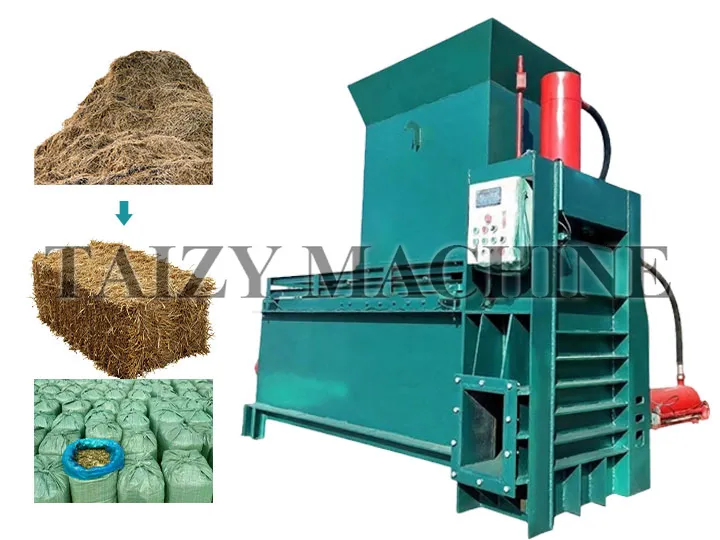
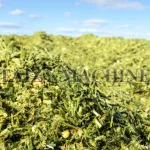
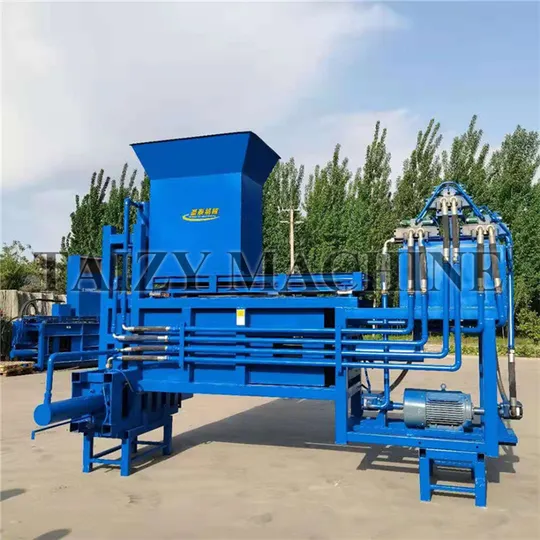
The hay baling machine compresses bulk materials—such as hay, straw, forage, and silage—into compact rectangular bales, making them easy to transport, store, and use as livestock feed. The silage baling machine can be driven by an electric motor or a diesel engine and can flexibly adapt to different operating environments on the farm.
The hydraulic baler produces bales measuring 700×400 × 300 mm. After compression, each bale can be double-wrapped: an inner layer of PE (polyethylene) film and an outer layer of PP (polypropylene) woven fabric. This packaging method not only secures the compressed material but also facilitates the handling of the finished straw bales during transportation and storage.
How Does the Hay Baling Machine Work?
The basic working process is straightforward:
Feeding → Hydraulic Compression → Bale Formation → Bagging → Finished Bale
- Feeding: Hay, straw, silage, or another suitable material is loaded into the feeding area.
- Compression: The hydraulic system drives the pressing mechanism to compress the material inside the bale chamber.
- Bale formation: The compressed material forms a square bale.
- Bagging: The bale is packed with the inner PE film bag and outer woven PP bag.
- Handling: The finished bale can then be removed for transportation, storage, or feeding.
Main Structure of the Hay Baling Machine
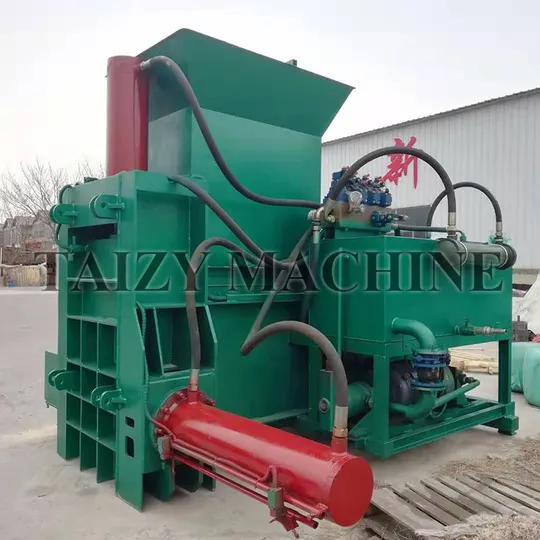
The hay and silage baler consists of a frame, bale chamber, hydraulic control system, main cylinder, oil supply system, and electrical control system. The frame uses steel components to support the compression chamber and withstand the loads generated during operation.
The hydraulic system includes an oil tank, electric pump group, directional valves, hydraulic lines, and cylinders. The main cylinder uses a plunger structure to transfer hydraulic force to the compression chamber and press the material.
Hay Baling Machine Key Specifications
| Model | 9YK-70 | 9YK-7A |
| Power | 15kw motor or 28hp diesel engine | 22kw |
| Cylinder quantity | 2pcs | 3pcs |
| Hydraulic pressure | 18Mpa | 18Mpa |
| Hydraulic oil | 46# | 46# |
| Bale size | 700*400*300mm | 700*400*300mm |
| Bale density | 600-800kg/m³ | 800-1100kg/m³ |
| Bale weight | 30-40kg/bale dry straw, 65-75kg/bale fresh straw | 30-40kg/bale dry straw, 65-75kg/bale fresh straw |
| Bundling efficiency | 90-120bags/h | 150-180bags/h |
| Weight | 1500kg | 3100kg |
| Dimension | 3400*2500*2900mm | 4150*2600*3400mm |
What Materials Can This Hay Baling Machine Handle?
The machine is designed for compressing suitable soft agricultural materials through hydraulic pressing.
The machine can be used for:
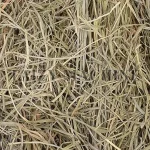
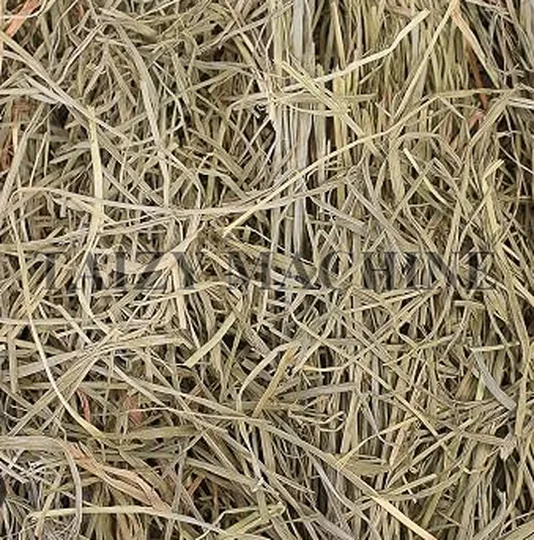
- Hay
- Grass
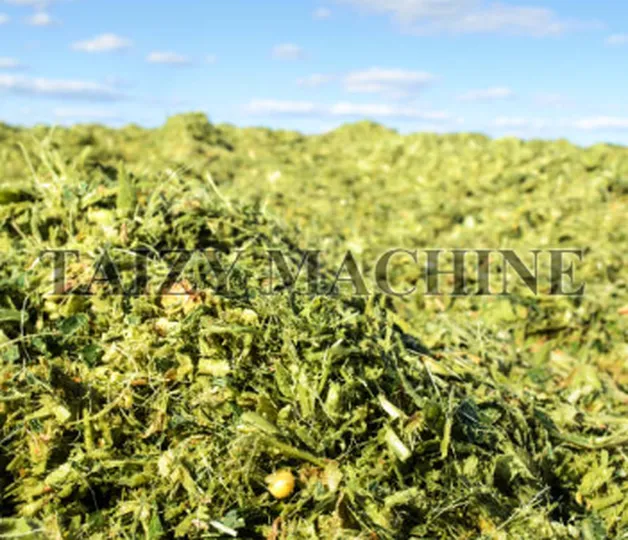
- Silage
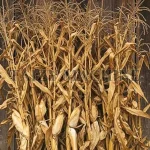
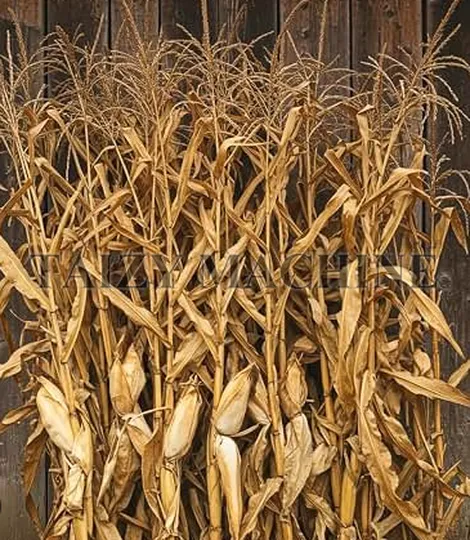
- Corn stalks
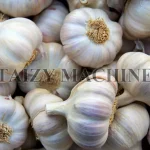
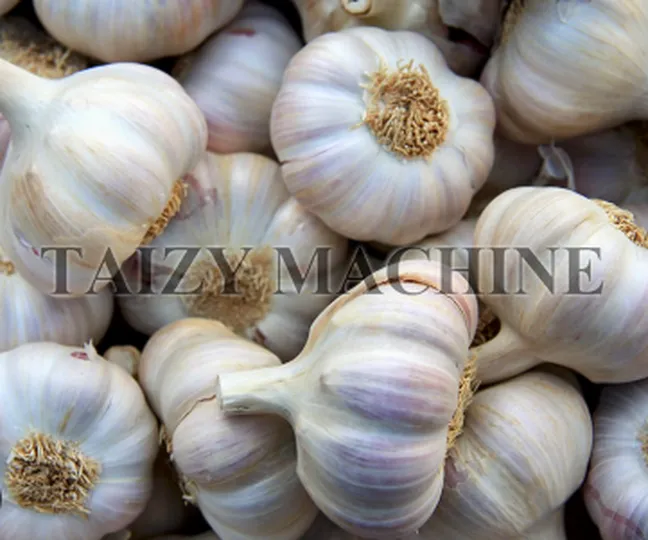
- Garlic skin
- Other suitable soft agricultural materials
The actual bale density and weight can vary according to material characteristics, moisture content, and feeding conditions.
Flexible Equipment Combinations
This equipment can be combined with auxiliary machinery to create more suitable processing configurations.
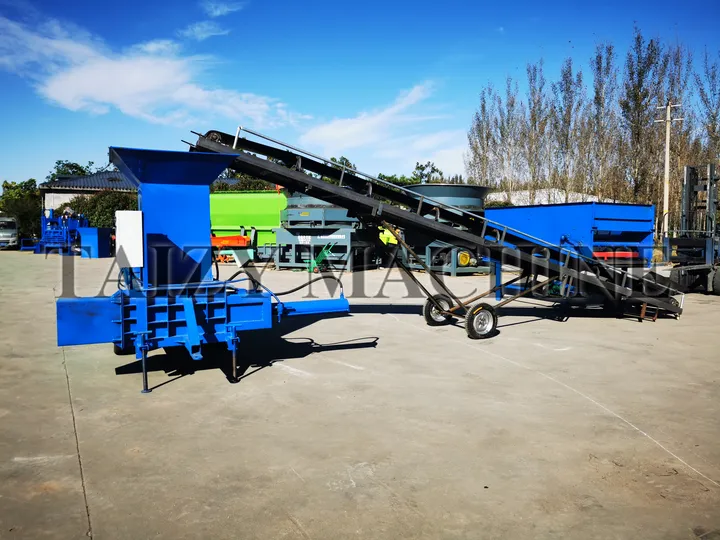
Batch bin + hay baler
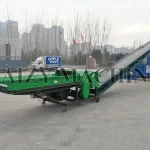
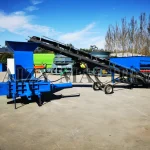
The baler can be used in conjunction with a feed hopper to provide a more convenient feeding method. Bulk hay, straw, forage, or other suitable materials are first loaded into the hopper and then conveyed into the compression chamber.
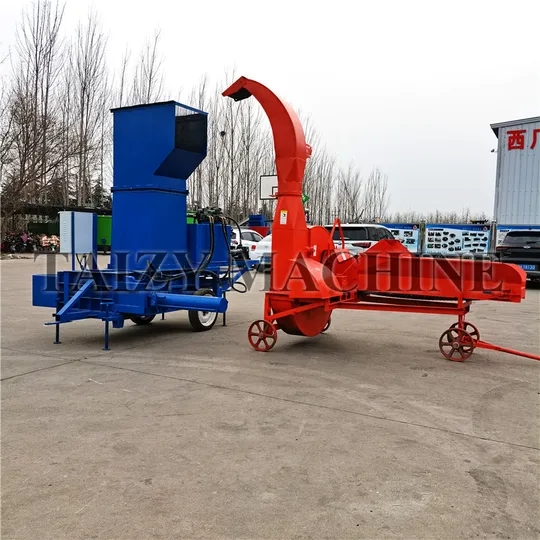
Straw chopper + hay baling machine
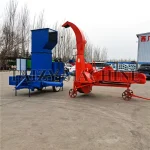
For longer straw and crop residues, a straw chopper can be added to the front of the baler. Materials are chopped first and then conveyed to the baler for compression.
This combination integrates the chopping and baling processes, making it ideal for situations involving long materials or those difficult to feed directly.
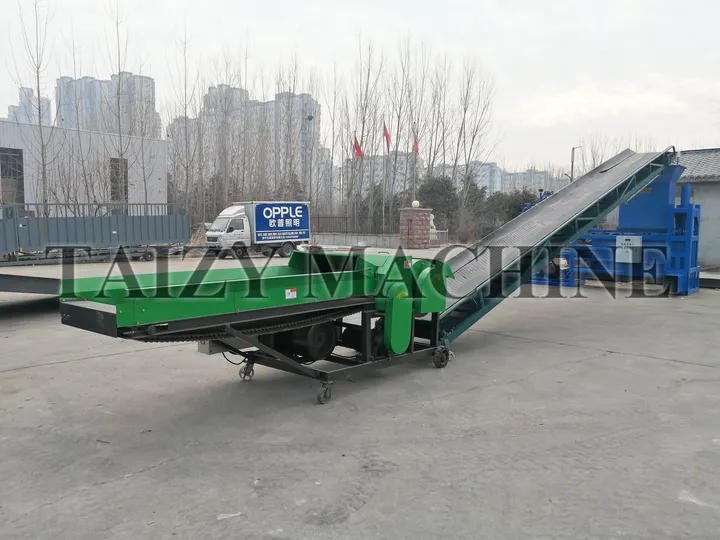
Grass chaff cutting machine + hay Baler
If the material requires additional processing before compression, the baler can also be used in combination with the shredder. The hay is first processed by shredding before being sent to the baling room.
These configurations provide greater flexibility in handling different forms of forage, allowing users to choose based on the characteristics of the raw materials and the required processing techniques.
Customized Feeding and Mobility Options
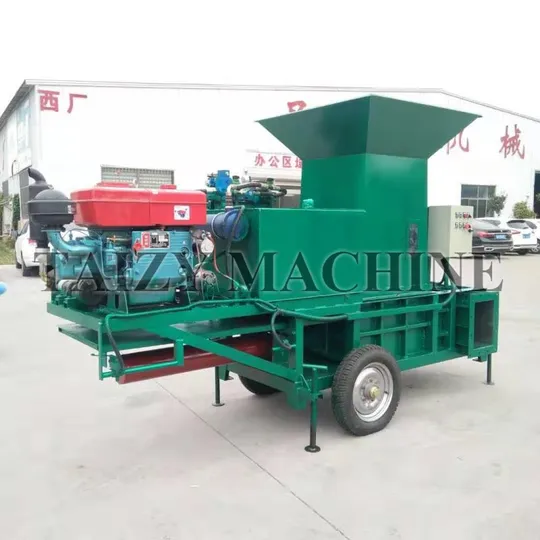
The standard machine can also be adjusted according to the customer’s working environment. Different feeding heights, loading methods, and transportation conditions may require different machine configurations.
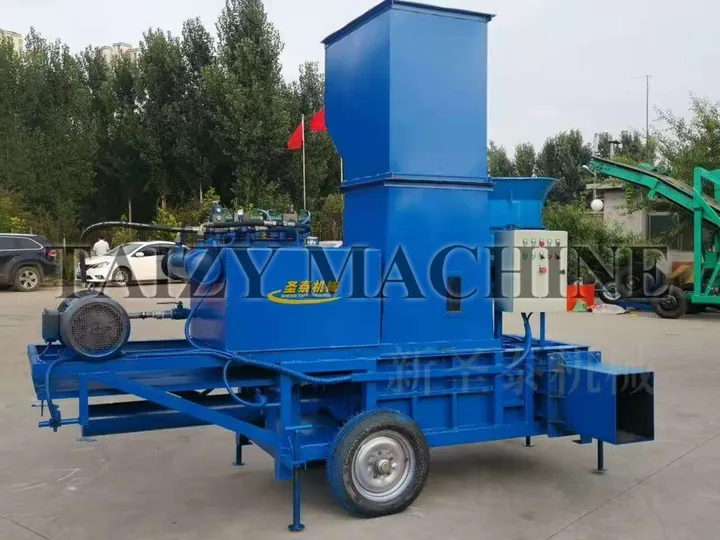
Raised feeding inlet
The feeding inlet can be made higher according to the customer’s feeding equipment or loading method. This is useful when the baler needs to connect with another machine or receive material from a higher position.
Funnel-shaped feeding inlet
A flared or funnel-shaped inlet can also be customized. The wider opening makes it easier to guide loose forage into the feeding area and can be matched to different feeding requirements.
Larger tires
For customers who need to move the machine more frequently, larger tires can be customized. The wheel configuration can be adjusted according to transportation and working-site requirements.
These options allow the machine to be configured around the customer’s actual working conditions rather than being limited to one fixed setup.
Hay Baling Machine for Different Farm Requirements
If you are looking for a hay baler for hay, silage, straw, or other forage materials, send us your material type, desired bale size, and power conditions. We can recommend a suitable configuration and discuss customization options for your farm.