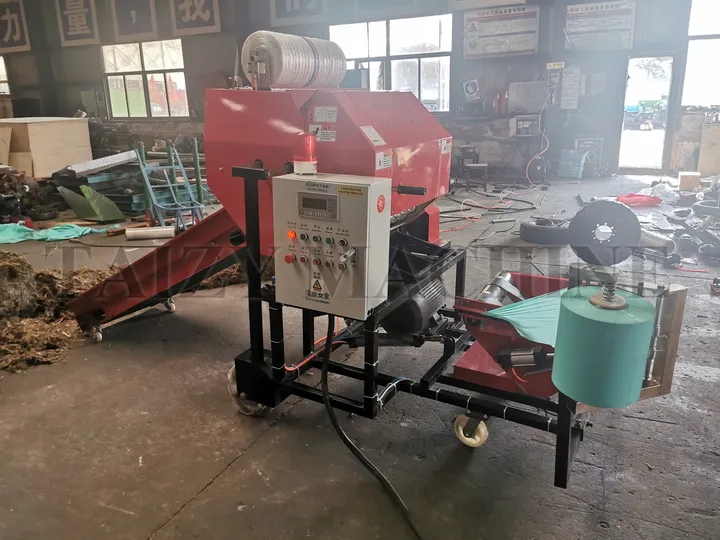
How to Extend Silage Storage Time with the Silage Bale Making Machine
A silage bale making machine can help farmers turn freshly harvested forage into dense, wrapped bales that are easier to store and manage. For farms producing large quantities of silage, however, extending storage time depends on more than simply making bales. Moisture management, bale density, oxygen exclusion, wrapping quality, and storage conditions all influence how well silage remains preserved over time.
As livestock farms increasingly prepare feed for periods when fresh forage is unavailable, improving silage storage has become an important part of feed management. A well-organized baling and wrapping process can help reduce exposure to air and external conditions while making silage easier to handle, transport, and store.
Start with Suitable Moisture
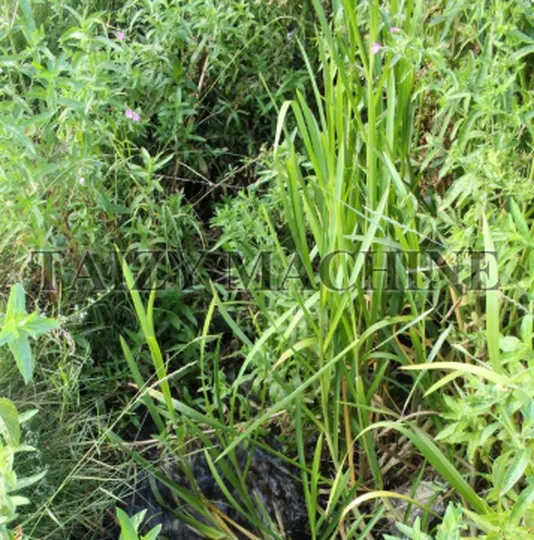
Moisture management is an important starting point for silage preservation. Material that is too wet may be difficult to preserve properly, while overly dry forage may not form sufficiently dense bales.
Farmers should therefore harvest forage at a suitable dry matter level for the crop and storage method. Properly prepared forage provides a better foundation for fermentation and subsequent storage.
Make Dense, Uniform Bales
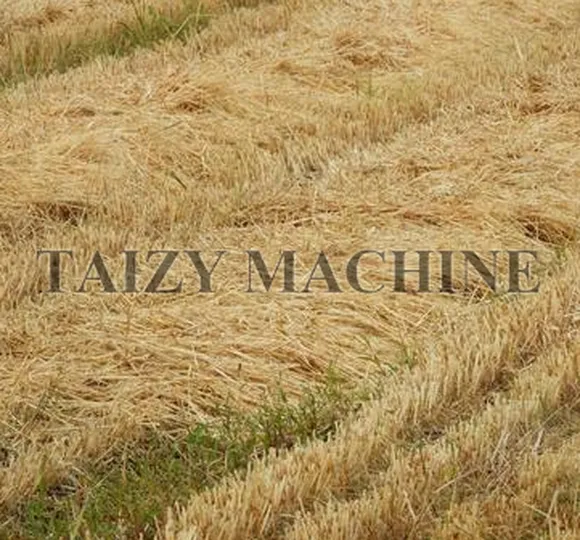
Loose forage contains a significant amount of air. Forming it into dense, uniform bales helps reduce the air trapped between forage particles.
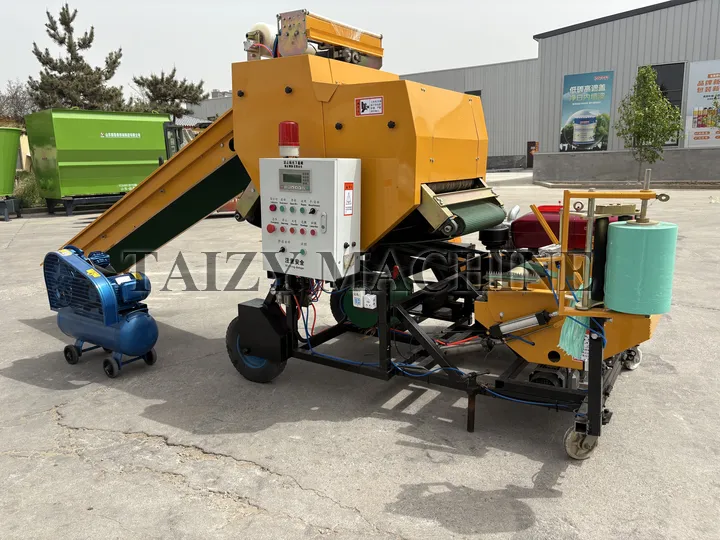
A silage bale making machine compresses harvested forage into regularly shaped bales, making them easier to wrap, transport, and store. Proper bale formation also helps create a more consistent surface for film application.
Wrap Bales Promptly
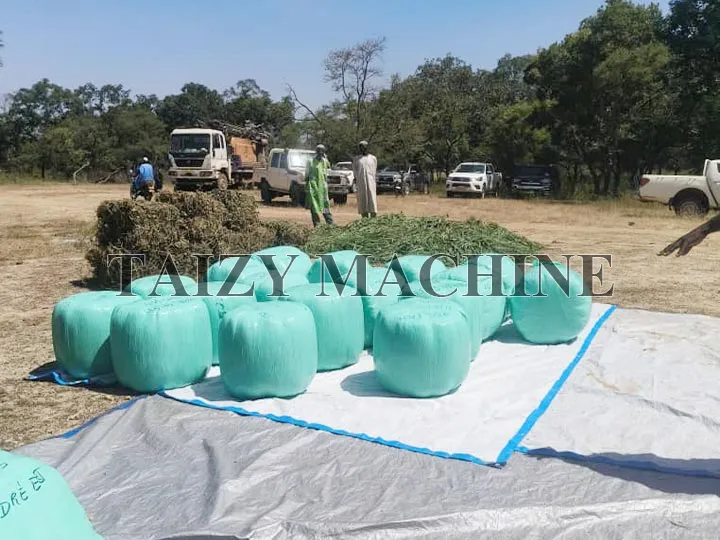
After baling, minimizing exposure to oxygen is essential. Freshly formed silage bales should be wrapped as soon as practical to help establish a sealed environment.
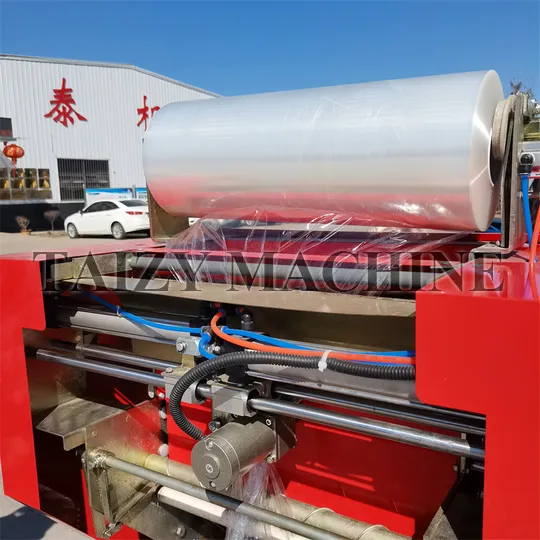
An integrated silage bale making machine can simplify this process by reducing the time and manual handling between bale formation and wrapping. The wrapping film then acts as a protective barrier against air and external moisture.
Protect the Wrapping During Storage
Even properly wrapped bales can deteriorate if the film is damaged. Sharp objects, rough handling, animals, and unsuitable storage surfaces may puncture the film and allow air or water to enter.
Wrapped bales should therefore be handled carefully and stored on a suitable surface with good drainage. Regular inspection can also help farmers identify and repair damaged film before it causes greater feed losses.
How a Silage Bale Making Machine Helps
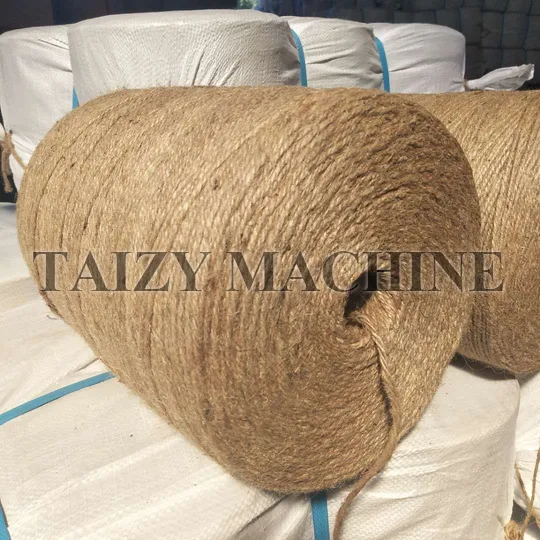
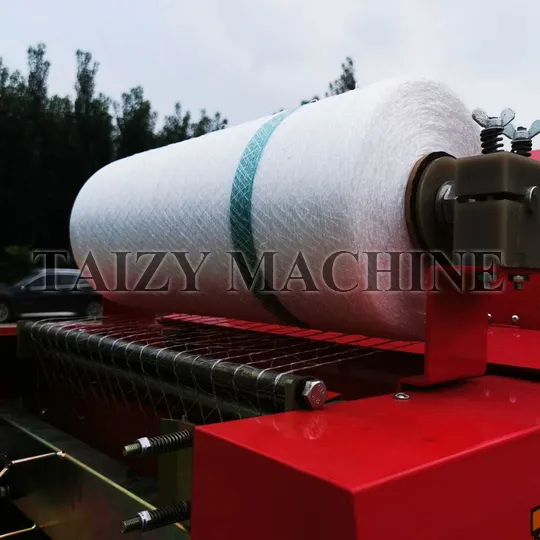
Longer silage storage depends on several factors rather than a single piece of equipment. However, an efficient silage baler and wrapper can support a more consistent workflow by collecting, compressing, and preparing forage for wrapping.
By reducing manual handling and helping farmers move quickly from loose forage to wrapped bales, the machine can make silage production and storage more efficient. This is particularly useful for livestock farms that need to prepare large quantities of feed during the harvesting season.
Better Baling for More Reliable Feed Reserves
Extending silage storage time starts with suitable forage and continues through proper baling, wrapping, and storage. Dense bales, timely wrapping, and careful storage can all help protect stored feed from unnecessary exposure and damage.
Contact us to discuss your forage type, bale size, and production requirements, and we can recommend a suitable solution for your farm.