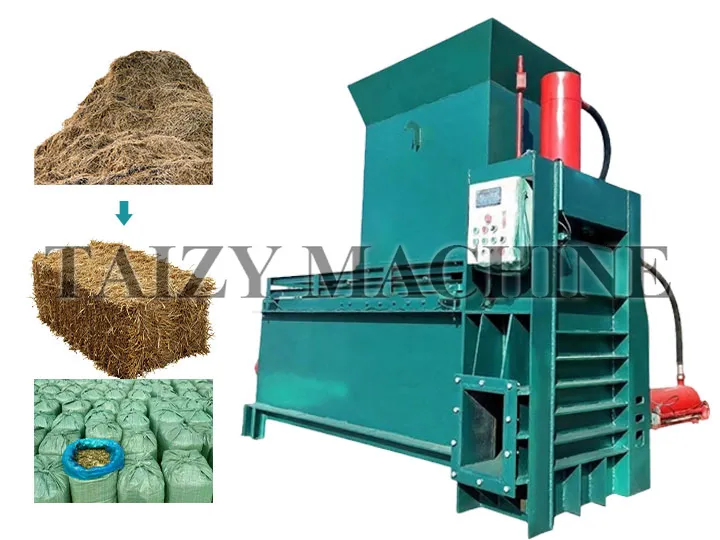
Better Hay Storage with a Hay Packing Machine
After hay is harvested, proper packing can make a big difference in how easily it can be stored and protected. Loose hay takes up considerable space, while poorly packed forage can be more exposed to air and moisture during storage. For farms keeping hay for an extended period, simply piling it in a barn may not be enough.
A hay packing machine compresses loose hay into compact bales and packs each bale in a double-layer bag. The inner layer uses PE (polyethylene) film, while the outer layer is made of PP (polypropylene) woven fabric. This packaging structure helps reduce direct exposure to the surrounding environment while keeping the bales compact and easier to stack, handle, and transport.
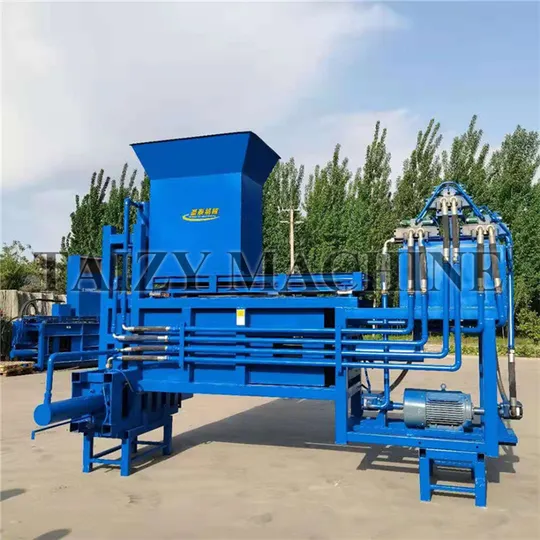
Compact Bales Make Better Use of Storage Space
Loose hay can quickly occupy a large amount of space after harvesting. Even when a barn or storage shed appears large enough at the beginning of the season, piles of loose forage can make the available space difficult to use efficiently.
The hay packing machine compresses loose hay into compact bales with a more regular shape. These bales can be stacked more systematically, allowing farmers to make better use of vertical and floor space.
Compact bales also make it easier to keep storage areas organized. Instead of repeatedly moving loose piles of hay, workers can arrange individual bales according to harvest batches, forage type, or intended use.
Double-Layer Packaging Helps Protect Packed Hay
Compression is only one part of hay storage. Once the forage has been formed into a bale, suitable packaging can provide another layer of protection.
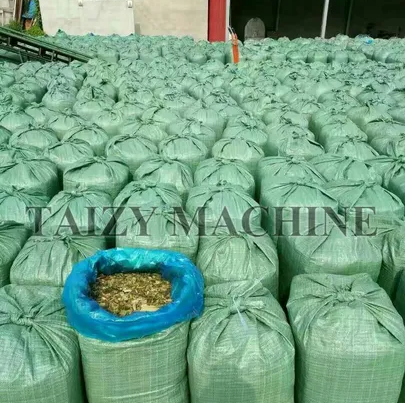
Each bale can be double-wrapped, with an inner layer of PE (polyethylene) film and an outer layer of PP (polypropylene) woven fabric. The PE inner layer helps create a closer barrier around the packed hay, while the PP woven outer layer provides a stronger protective covering for handling and storage.
This structure can help reduce direct exposure to surrounding air, dust, and moisture compared with leaving hay loose and uncovered. When combined with appropriate storage conditions, double-layer packaging provides a more controlled way to keep packed forage protected during storage.
Easier Handling from Storage to Transportation
Loose hay is not only difficult to store; it can also be inconvenient to move. Workers may need to gather scattered material before loading it onto a vehicle or transferring it to another storage area.
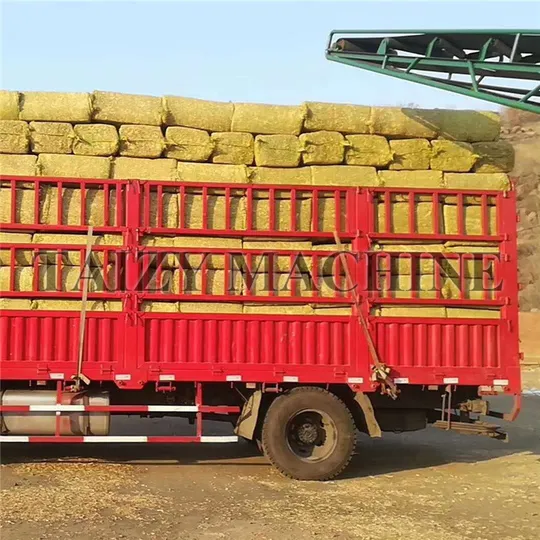
The hay packing machine provides a more manageable unit for handling. The compact and packaged form makes it easier to stack, load, transport, and move around the farm.
The standardized bale format can also simplify transportation when hay needs to be moved from the farm to another location. Instead of dealing with loose forage, workers can handle packed bales individually or in batches according to the available loading equipment.
This is especially useful for farms that harvest large quantities of hay within a short period and need to move the material quickly from the field into storage.
Practical Way to Manage Hay After Harvest
Hay management does not end when the forage leaves the field. Storage space, protection, and handling all affect how conveniently farmers can manage their harvested forage.
A hay packing machine brings these steps together by compressing loose hay into compact bales and packaging them in double-layer bags. The result is a more organized form of forage that takes up less storage space, has reduced direct exposure to the surrounding environment, and is easier to handle and transport.
For farms looking to improve their post-harvest hay management, choosing suitable packing equipment can make the transition from loose forage to stored bales much more efficient.
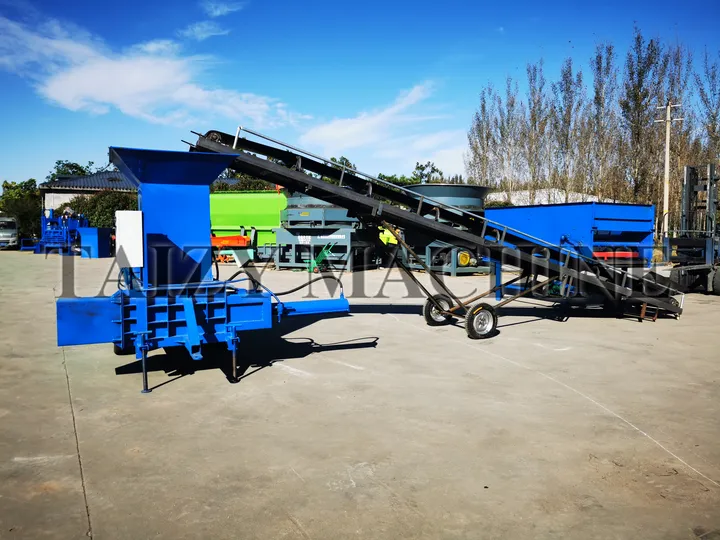
Get a Silage Packing Machine for Your Farm
If you are planning to process hay for seasonal storage, livestock feeding, or transportation, contact us with your required bale size, capacity, and material type. Our team can recommend a suitable hay packing machine for your application.