Silage Harvester Price: What Factors Affect the Cost of a Modern Forage Harvester?
As livestock farming continues to expand worldwide, the demand for efficient forage harvesting equipment is growing rapidly. Among various forage processing machines, the silage harvester has become an essential investment for dairy farms, cattle ranches, agricultural contractors, and silage production businesses.
However, one of the most common questions buyers ask is: What determines the price of a silage forage harvester? The answer depends on several important factors. Below are the main factors to consider.
corn silage harvesting video
Factors affecting silage harvesters
Different types
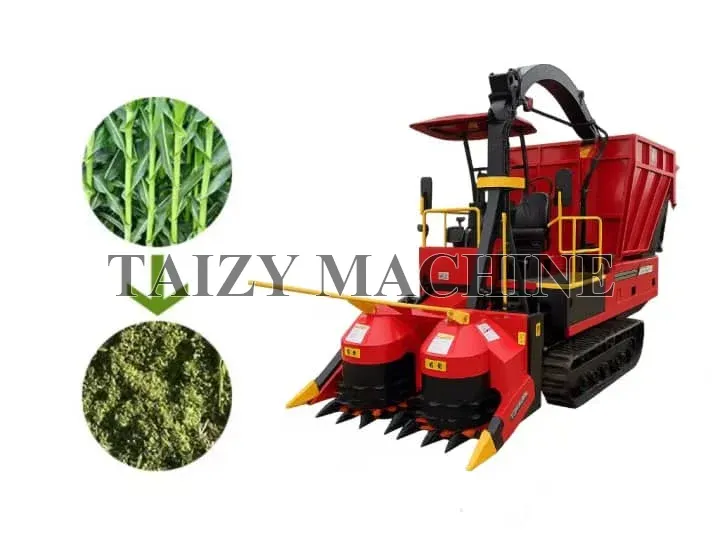
Forage harvesters are available in various configurations to meet different farming needs. Smaller models are often suitable for family farms and medium-sized livestock operations, while larger self propelled silage harvesters are designed for commercial forage harvesting projects.
Machines equipped with advanced feeding systems, larger collection bins, and automatic control functions typically require a higher investment but can significantly improve harvesting efficiency.
Harvesting capacity
The working capacity of a machine is one of the most important pricing factors. A harvester capable of processing larger areas within a shorter time usually features a more powerful engine, a wider harvesting width, and stronger cutting system.
For farms handling large quantities of corn silage, sorghum, or forage grass, investing in a higher-capacity machine can reduce labor costs and shorten harvesting periods.
| Ширина среза | Harvesting efficiency |
| 1.4m | 4acres/h |
| 1.6m | 5acres/h |
| 1.8m | 7acres/h |
| 2.2m | 10acres/h |
Engine power and performance matter
Modern silage harvesters rely on stable power systems to ensure continuous operation in demanding field conditions. Machines equipped with higher-horsepower diesel engines generally offer better performance when processing dense crops or operating for extended hours.
While more powerful equipment may come with a higher purchase price, it often delivers better long-term productivity and lower operating costs per ton of harvested forage.
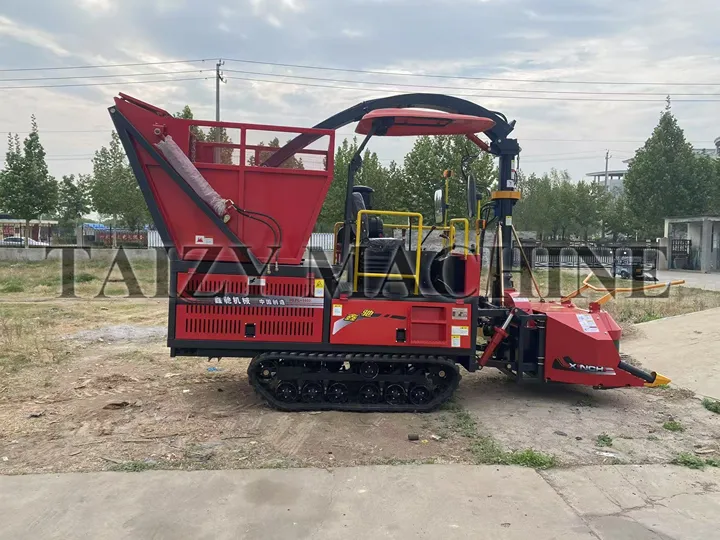
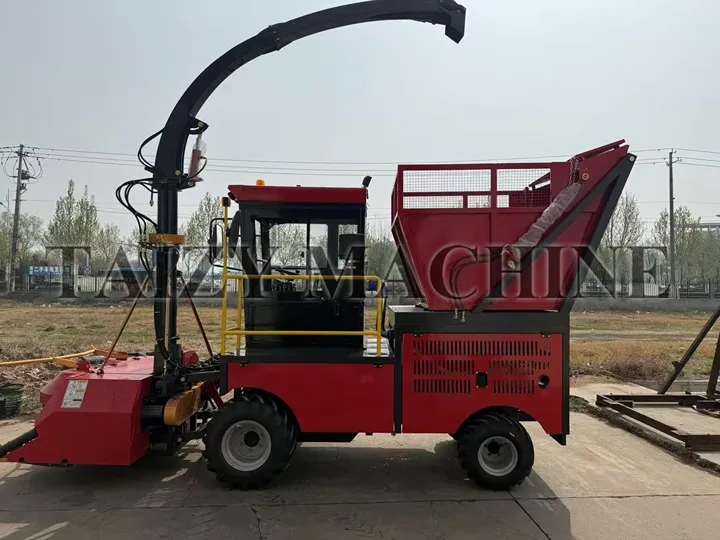
Track-type vs. wheel-type silage harvesters
Many buyers today are comparing track-type and wheel-type machines.
Track-type models offer excellent stability and traction in muddy fields, making them ideal for regions with heavy rainfall or soft ground conditions. Wheel-type harvesters, on the other hand, provide greater mobility and faster transportation between fields.
The choice between these two configurations can also affect the final equipment cost.
Additional features can increase value
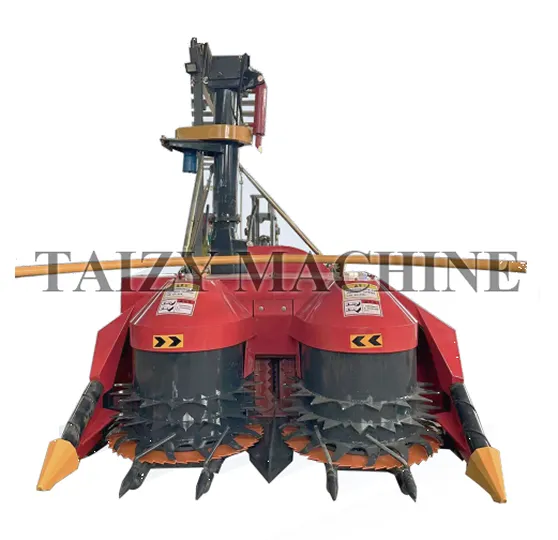
Beyond basic harvesting functions, many modern silage harvesters include features such as:
- Automatic feeding systems
- Adjustable cutting lengths
- Efficient chopping mechanisms
- High-capacity collection tanks
- Hydraulic control systems
- Comfortable operator platforms
These upgrades may increase the initial investment but often provide higher efficiency and better forage quality.
Looking beyond the purchase price
When evaluating a silage harvester, experienced buyers often focus on overall value rather than simply choosing the lowest-priced machine. Factors such as durability, maintenance requirements, spare parts availability, and technical support can significantly influence the long-term return on investment.
A reliable machine that operates efficiently for many seasons can often generate greater savings than a lower-cost alternative with frequent downtime.
Customized solutions for different farming needs
Every farm has unique harvesting requirements. Some customers need compact machines for small fields, while others require high-capacity equipment for large-scale silage production.
For this reason, manufacturers often provide customized solutions based on crop type, field conditions, harvesting volume, and budget. Whether you are looking for a wheel-type forage harvester or a heavy-duty track-type model, selecting equipment that matches your operational needs is the key to maximizing productivity.
Заключение
The silage harvester price depends on a combination of factors, including machine design, harvesting capacity, engine power, and optional features. Rather than focusing solely on the purchase cost, buyers should consider the machine’s efficiency, reliability, and long-term performance.
If you are planning to invest in silage harvesting equipment, consulting with a professional manufacturer can help you find the most suitable solution and obtain a customized quotation based on your specific requirements.