Reduce Silage Waste with a Forage Baler
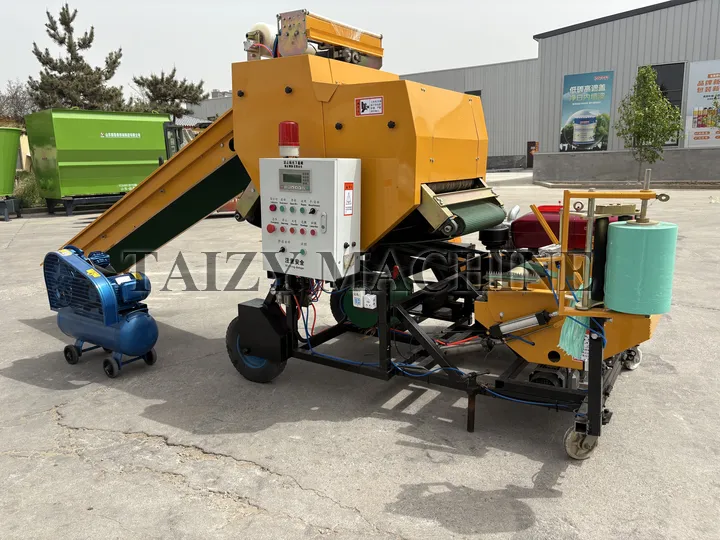
Reducing silage feed waste is a major concern for livestock farms because wasted forage directly increases feeding costs and affects farm profitability. The forage baler helps farms reduce feed losses by improving forage collection, compression, storage, and preservation.
How Can Farms Reduce Silage Feed Waste?
Create Tightly Compressed Forage Bales
Loose forage contains more air spaces, which can accelerate spoilage during storage. Using a forage baler allows farms to compress grass, hay, and corn stalks into dense and uniform bales.
Tightly formed bales help:
- Reduce air inside the forage
- Minimize spoilage risks
- Maintain better feed quality during storage
Reduce Losses During Forage Handling
During manual collection and transportation, loose forage can easily scatter and become difficult to manage. The forage baler collects and forms forage into compact bales, making handling easier.
This helps farms reduce:
- Material loss during transportation
- Forage scattering during storage
- Unnecessary feed waste
Improve Silage Sealing Efficiency
Proper sealing is important for preventing oxygen from entering the bale. When forage is compressed into regular-sized bales, wrapping becomes more effective and creates a better airtight environment.
This helps reduce:
- Mold growth
- Fermentation problems
- Nutrient loss
Reduce Storage Space Waste
Loose forage requires larger storage areas and is more difficult to organize. Baled forage has a compact shape, allowing farms to use storage space more efficiently.
Better storage management helps reduce losses caused by poor stacking and exposure to external conditions.
Preserve More Nutrients in Forage
The purpose of reducing silage waste is not only to save material but also to preserve feed value. Proper baling helps maintain the structure and nutrients of forage, allowing livestock to receive higher-quality feed.
Conclusion
Farms can reduce silage feed waste by improving forage collection, compression, storage, and preservation methods. A forage baler helps achieve these goals by creating compact bales, reducing handling losses, improving sealing conditions, and maintaining forage quality. For livestock farms looking to control feed costs and improve efficiency, effective forage baling is an important solution.